Types & Labels

スポンサーリンク
Types & Labels

Understanding the Differences Between Genshu, Namazake, and Namachozo — Mastering the Basics of Sake Through Pasteurization and Dilution

原酒・生酒・生貯蔵酒の違いをわかりやすく解説。火入れの回数と加水の有無という2つの軸で整理すれば、日本酒の表示は一気に理解できます。味わいの傾向や保存方法まで丁寧に解説します。

Types & Labels

Does the Rice Polishing Ratio Really Not Matter for Junmai Sake? — Understanding This “Flexible Category” Through Regulations and Flavor Design

Junmai sake is often said to have no rice polishing ratio requirement—but does that mean polishing doesn’t matter? This article clarifies the regulatory framework and the practical realities of flavor design, offering a clear explanation of the relationship between Junmai and rice polishing.
Types & Labels

Understanding the Eight Categories of Tokutei Meishoshu Through Two Key Axes

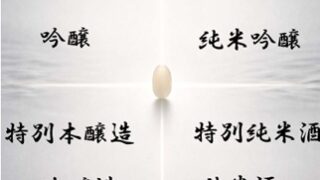
This guide organizes the eight official categories of Tokutei Meishoshu using two essential axes: alcohol addition and rice polishing ratio. Instead of memorization, you’ll understand the structural differences between Junmai, Ginjo, Daiginjo, and Honjozo.
Types & Labels

Reading Sake Labels: Understanding the Back Label

Detailed explanation of the "Sake Meter Value," "Acidity," and "Amino Acid Levels" written on the back label of sake! Learn how to differentiate between dry and sweet sake, and tips for choosing your favorite sake.
Types & Labels

How to Read a Sake Label: Understanding the Front Label

What information is written on a sake label? Learn about key details such as “Tokutei Meisho-shu” (Special Designation Sake), “Production Date,” and “Alcohol Content” on the front label. Gain the knowledge you need to choose the right sake for you!
スポンサーリンク