Hello, I’m Mana.
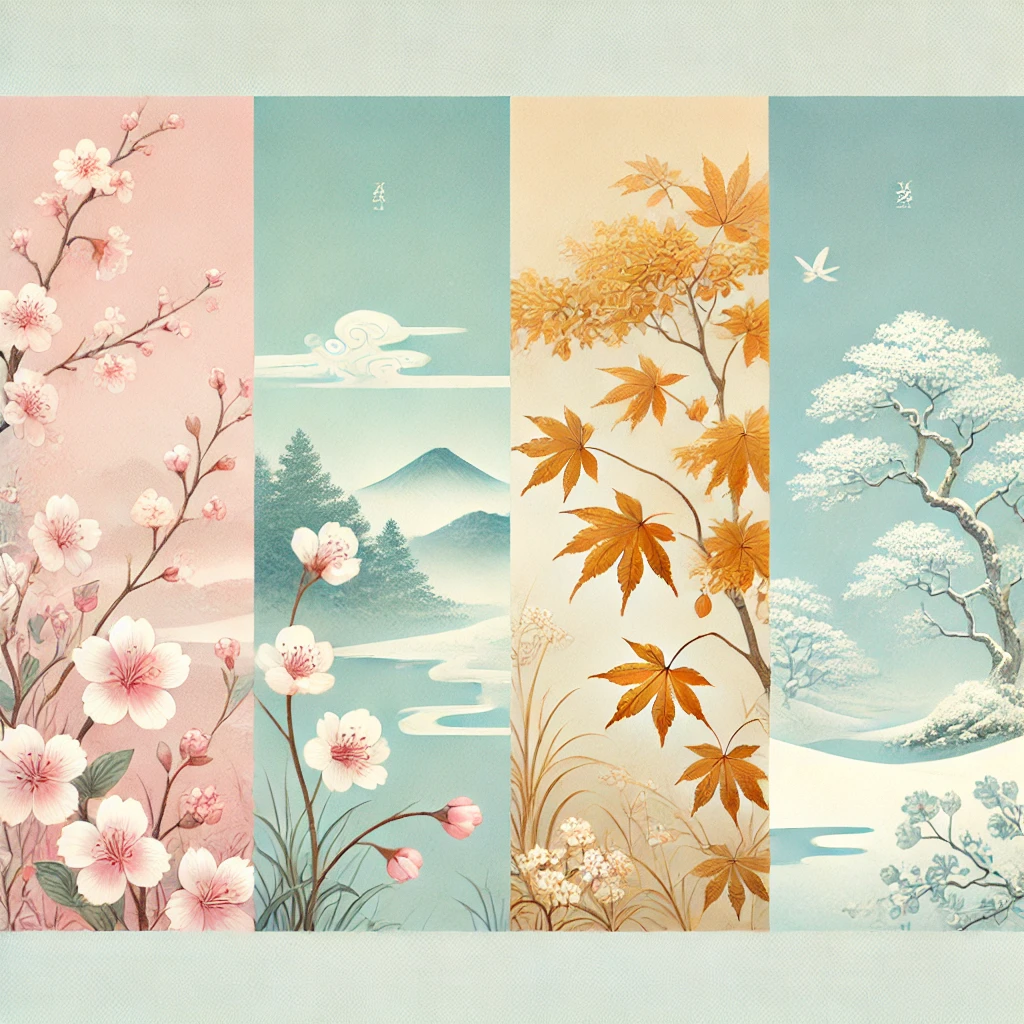
Sake is not defined only by its alcohol content or brewing method. It is also a drink that changes its expression with the seasons. Because Japan has four distinct seasons, the character of sake shifts subtly in harmony with the climate and seasonal ingredients.
This time, based on what I organized through studying for the Sake Certification, I’d like to introduce how to enjoy sake according to the four seasons, together with its four-style classification. Viewing sake through the lens of the seasons adds depth and dimension to the way we choose it.
What Are the Four Types of Sake?
Sake can be categorized into four types based on aroma and flavor characteristics: Kunshu (薫酒), Soushu (爽酒), Junshu (醇酒), and Jukushu (熟酒). Understanding this classification makes it easier to select sake according to the season.
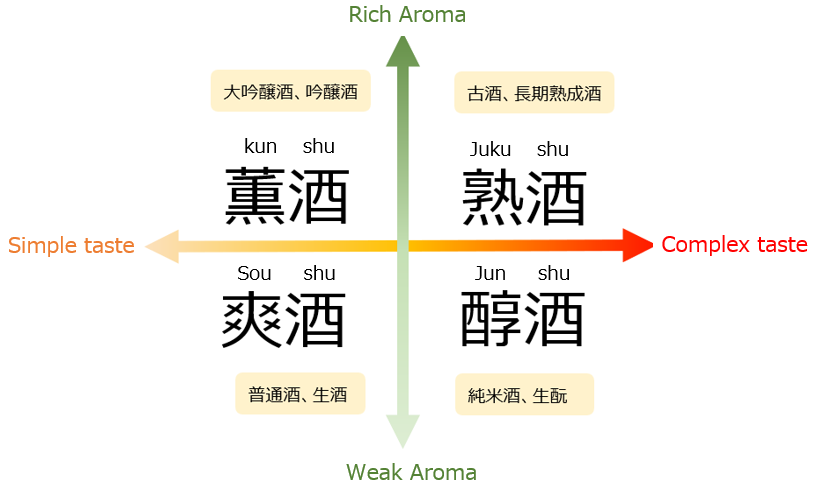
1. Kunshu (薫酒 / くんしゅ)
A fruity and aromatic style. Daiginjo and Ginjo are typical examples. Light and elegant, this type harmonizes beautifully with the gentle atmosphere of spring.
2. Soushu (爽酒 / そうしゅ)
Characterized by a clean and crisp taste. Dry, light Honjozo and standard sake often fall into this category. When well chilled, its sharp finish stands out—making it ideal for summer.
3. Junshu (醇酒 / じゅんしゅ)
A style rich in rice umami and body. Junmai, Kimoto, and Yamahai are representative examples. Its appeal deepens from autumn into winter.
4. Jukushu (熟酒 / じゅくしゅ)
Aged sake with depth and complexity developed over time. It truly shines when paired with rich, flavorful dishes.
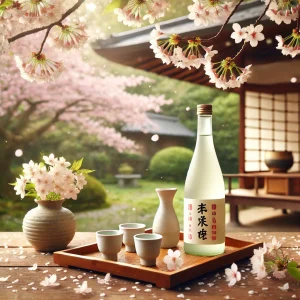
1. Sake for Spring
Spring is the season of freshly brewed sake. The vibrant freshness of Shinshu (新酒 / しんしゅ, newly brewed sake) and the elegance of Kunshu stand out.
- Shinshu (新酒): Fresh and lively.
- Kunshu (薫酒): Perfect for cherry blossom viewing and light appetizers.
It pairs beautifully with delicate seasonal ingredients such as wild mountain vegetables, cherry sea bream, and firefly squid.
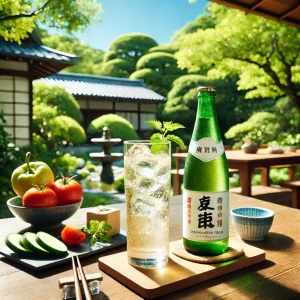
2. Sake for Summer
In the heat of summer, chilled sake and sparkling varieties take center stage.
- Soushu (爽酒): Best served well chilled.
- Sparkling sake: Refreshing carbonation.
Pair with chilled tomatoes, edamame, cold shabu-shabu, or salt-grilled sweetfish to enhance the refreshing sensation.
3. Sake for Autumn
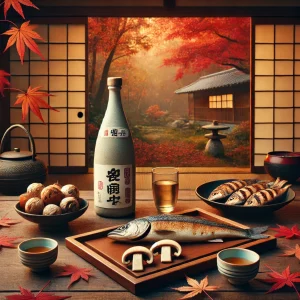
Autumn is the season to appreciate matured nuances. Hiyaoroshi (ひやおろし)—sake aged through the summer and released in autumn—is especially representative.
- Hiyaoroshi
- Junshu (醇酒)
These pair wonderfully with umami-rich dishes such as grilled Pacific saury, mushrooms, and chestnut rice.
4. Sake for Winter
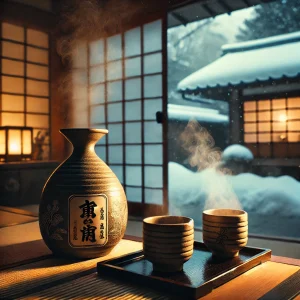
In winter, warmed sake becomes the star. Temperature brings out new layers of flavor.
- Atsukan (熱燗 / あつかん, 40–50°C): Warmed sake.
- Jukushu (熟酒): Aged styles.
It pairs well with dishes such as simmered yellowtail with daikon, oyster hot pot, fugu, and kasujiru (sake lees soup).
Conclusion
Sake accompanies each season: the elegance of spring, the freshness of summer, the depth of autumn, and the warmth of winter.
By choosing sake with the season in mind, you can experience completely different expressions—even from the same bottle. Combined with thoughtful food pairings and temperature adjustments, sake becomes a multidimensional experience.
When enjoyed throughout the year, sake reveals itself as more than just an alcoholic beverage. It is deeply connected to Japanese culture and daily life.
There is one more theme that often comes up.
Sake is sometimes said to be “good for your health.” But is that really true?
▶ Is Sake Good for Your Health? Benefits and Smart Drinking Tips
In the next article, we will explore the potential health benefits of sake and important points for enjoying it responsibly.

コメント