Brewing Mechanisms

Brewing Mechanisms

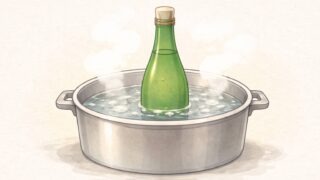
What Is Hi-ire? — A Clear Guide to Pasteurization and the Differences Between Namazake, Nama-chozō-shu, and Nama-zume-shu

What is hi-ire? Sake is heated to around 60-65°C to stop yeast and enzyme activity. Learn the purpose of pasteurization and how namazake differs from it.

Brewing Mechanisms

What Is Dan-Jikomi? — An Easy Guide to Sandan-Jikomi and the Meaning of “Odori”

What is dan-jikomi? A clear guide to why sake is brewed in three stages and what the “odori” rest day does, explained through yeast growth and fermentation.
Brewing Mechanisms

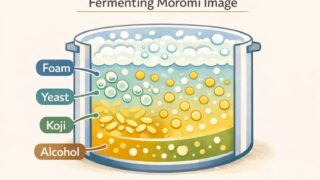
What Is Parallel Multiple Fermentation? A Clear and Friendly Guide to the Sake Brewing Process

What is parallel multiple fermentation, the heart of sake brewing? See how koji saccharification and yeast fermentation run at the same time in one tank.
Brewing Mechanisms

From Pressing to Bottling – Detailed Explanation of the Final Finishing Process

A guide to the final steps of sake brewing, from pressing to bottling. Covers separating the lees, sediment removal, filtration, pasteurization and blending.
Brewing Mechanisms

How Is Sake Made? The Complete Sake Brewing Process, Step by Step

From rice milling to bottling, a plain-English walkthrough of the whole sake brewing process, covering koji, shubo, moromi, pressing and pasteurization.
Brewing Mechanisms

How is Sake Made? Basics of Fermentation

How is sake made? The secret is fermentation. Learn the roles of koji and yeast, and how sake’s unique parallel multiple fermentation creates its flavor.