Serving & Storage

Sponsored
Serving & Storage

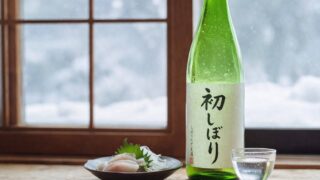
What Is Hatsushibori? The First Pressed Sake of the Season

Learn what hatsushibori is, how it differs from shinsyu, what it tastes like, and when it appears during the winter sake season.
Serving & Storage

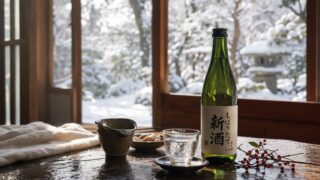
What Is Shinsyu? A Guide to Freshly Made Seasonal Sake

Learn what shinsyu is, when it appears, what it tastes like, and how it differs from hatsushibori, nigorizake, and hiyaoroshi.
Serving & Storage

What Is Nigori Sake? A Simple Guide to Cloudy Japanese Sake

Learn what nigori sake is, why it looks cloudy, how it differs from regular sake, and what flavors to expect. A simple guide to this rich and interesting style of Japanese sake.
Serving & Storage

What Is Hiyaoroshi? A Simple Guide to Japan’s Autumn Sake

Learn what hiyaoroshi is, why it appears in autumn, how it differs from shinshu, and what kind of flavor to expect. A simple guide to this calm, seasonal style of Japanese sake.
Serving & Storage

What Is Risshun Asashibori? A Fresh and Auspicious Sake for the Start of Spring

Learn what Risshun Asashibori is, why it is considered auspicious, how it differs from other fresh sake, and how to enjoy it. A simple guide to this special seasonal Japanese sake.
Serving & Storage

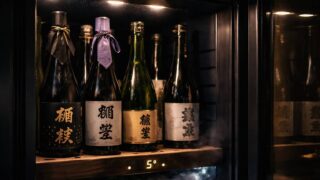
Should Sake Be Refrigerated or Stored at Room Temperature? The Science Behind Deterioration — Effects of Temperature, Light, and Oxygen

The way you store sake directly affects its flavor. This guide clearly explains the differences between refrigeration and room-temperature storage, as well as the mechanisms of deterioration caused by light and oxygen. It also outlines storage differences between unpasteurized (namazake) and pasteurized sake, along with recommended time frames after opening.
Serving & Storage

Mastering Sake Temperature Ranges: How Flavor Changes at 35°C, 40°C, 45°C, 50°C, and 55°C

Sake changes dramatically with temperature. From 35°C (hitohadakan, body-temperature warm) to 55°C (tobikirikan, very hot), this guide clearly explains the characteristics and flavor differences at each range. It also introduces practical home-heating methods and tips to avoid common mistakes.
Sponsored