Hello, I’m Mana.
“Does carbonation really go well with sake?”
Have you ever wondered that?
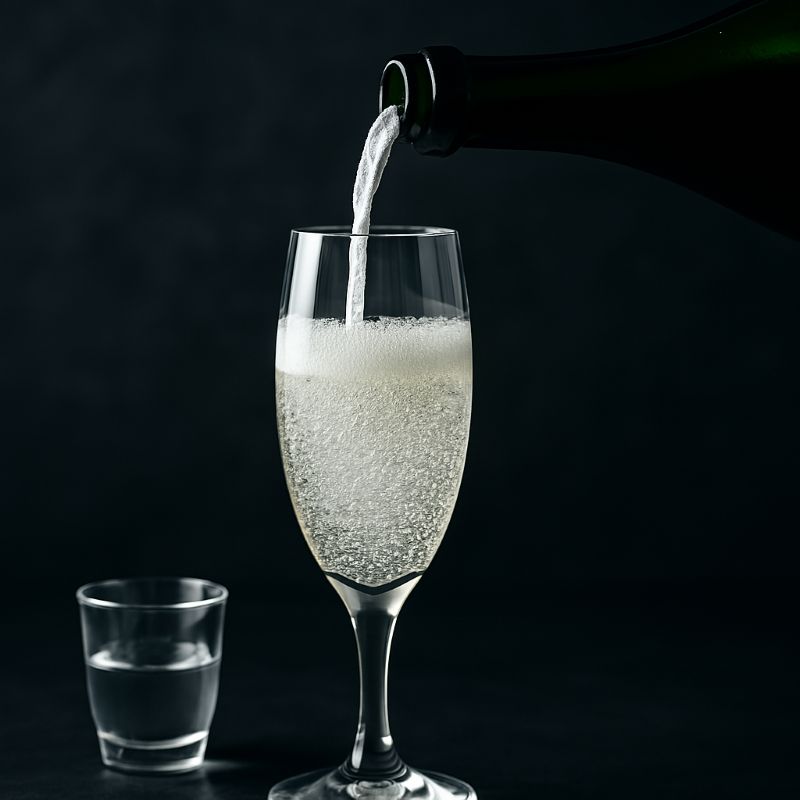
In recent years, a new style of sake has been gaining attention: sparkling sake. As the name suggests, it is a fizzy, carbonated sake with lively bubbles, offering a light and elegant character similar to champagne.
This modern take on sake allows you to enjoy its charm in a fresh way. It has become popular among beginners and those who are sensitive to alcohol because it is often easier to drink. In this article, I’ll gently walk you through what sparkling sake is, recommended labels, how to enjoy it, and how it differs from champagne.
What Is Sparkling Sake?
Sparkling sake is a type of sake that contains carbon dioxide, giving it a refreshing effervescence. In Japanese, it may also be called happo seishu (sparkling seishu) or happo nihonshu. Compared to regular sake, many sparkling varieties have a lower alcohol content—typically around 5–12%—and are often on the sweeter side.
This combination of lightness and freshness has captured the hearts of many people. With its festive appearance and bright flavor, it is perfect for toasts and home parties. Recently, more dry styles and sparkling versions of nigori (cloudy sake) have also appeared, expanding the variety available.
Three Types of Sparkling Sake
- In-bottle secondary fermentation type: Like champagne, this style undergoes a second fermentation inside the bottle to create natural carbonation. It features fine bubbles and a delicate flavor.
- Carbon dioxide injection type: Carbonation is added to finished sake. This type is more affordable and widely available, even in convenience stores.
- Active nigori type: Bottled with live yeast, which continues fermenting and naturally produces carbonation. It offers a creamy texture and distinctive character.
Seven Recommended Sparkling Sake Labels Available Online
| Label | Characteristics | Alcohol Content |
|---|---|---|
| Mio | Sweet, low alcohol, fruity and beginner-friendly | Approx. 5% |
| Suzune | Fine bubbles and elegant sweetness; a long seller since 1998 | Approx. 5% |
| Kubota Sparkling | Fresh aroma with a slightly dry, mature taste | Approx. 12% |
| Dassai Sparkling 45 | Rich rice umami with relatively higher alcohol | 14–16% |
| Hakutsuru Awayuki Sparkling | Citrus aroma and light, easy-drinking style | Approx. 5% |
| Masumi ORIGARAMI | Bottle-fermented with nigori richness | Varies by label |
| HINEMOS Shichiji | Lightly sparkling, sweet-and-sour fruity profile with stylish packaging | Varies by label |
Best Temperature and Glassware
Sparkling sake is best enjoyed well chilled, ideally around 5–8°C. Chilling the glass in advance also enhances the bubbles and aroma.
Champagne glasses or flute glasses are commonly used. Their tall, narrow shape helps preserve carbonation and beautifully displays the rising bubbles. For a more casual style, a wine glass works perfectly well. For cloudy types, a ceramic guinomi cup is also a charming option.
What Foods Pair Well?
Sparkling sake pairs beautifully with light Japanese or Western dishes, and even desserts.
- Sashimi and sushi
- Tempura or fried chicken
- Caesar salad or cheese
- Pizza or tomato-based pasta
- Shortcake or chocolate
The carbonation refreshes the palate, making it an excellent match for rich or oily dishes. It works wonderfully from the first toast to the main course.
How Is It Different from Champagne?
| Category | Sparkling Sake | Champagne |
|---|---|---|
| Main Ingredient | Rice, rice koji, water | Grapes |
| Alcohol Content | 5–12% (varies by label) | Approx. 11–12% |
| Flavor Profile | Sweet to slightly dry, rice umami | Acidity and yeast-driven aroma |
| Cultural Background | Deeply connected to Japanese cuisine | Tradition of the Champagne region in France |
Both are perfect for special celebrations, but sparkling sake tends to feel more approachable and easier to incorporate into everyday life.
Conclusion: Open a New Door to Sake with Sparkling Styles
Sparkling sake represents a fusion of traditional brewing techniques and modern lifestyle sensibilities.
Its drinkability, elegance, versatility with food, and wide range of styles make it a wonderful introduction for those who may have felt a bit distant from sake before. Start with one bottle, chill it well, and pour it into a glass.
You may find yourself thinking, “Sake can be this fun?”
Let’s gradually expand your own “life with sake,” one glass at a time.
Just like sparkling styles, sake continues to evolve with the times.
Next, let’s explore another modern option: low-alcohol sake.
▶ What Is Low-Alcohol Sake? A Modern Evolution for Today’s Lifestyle

コメント