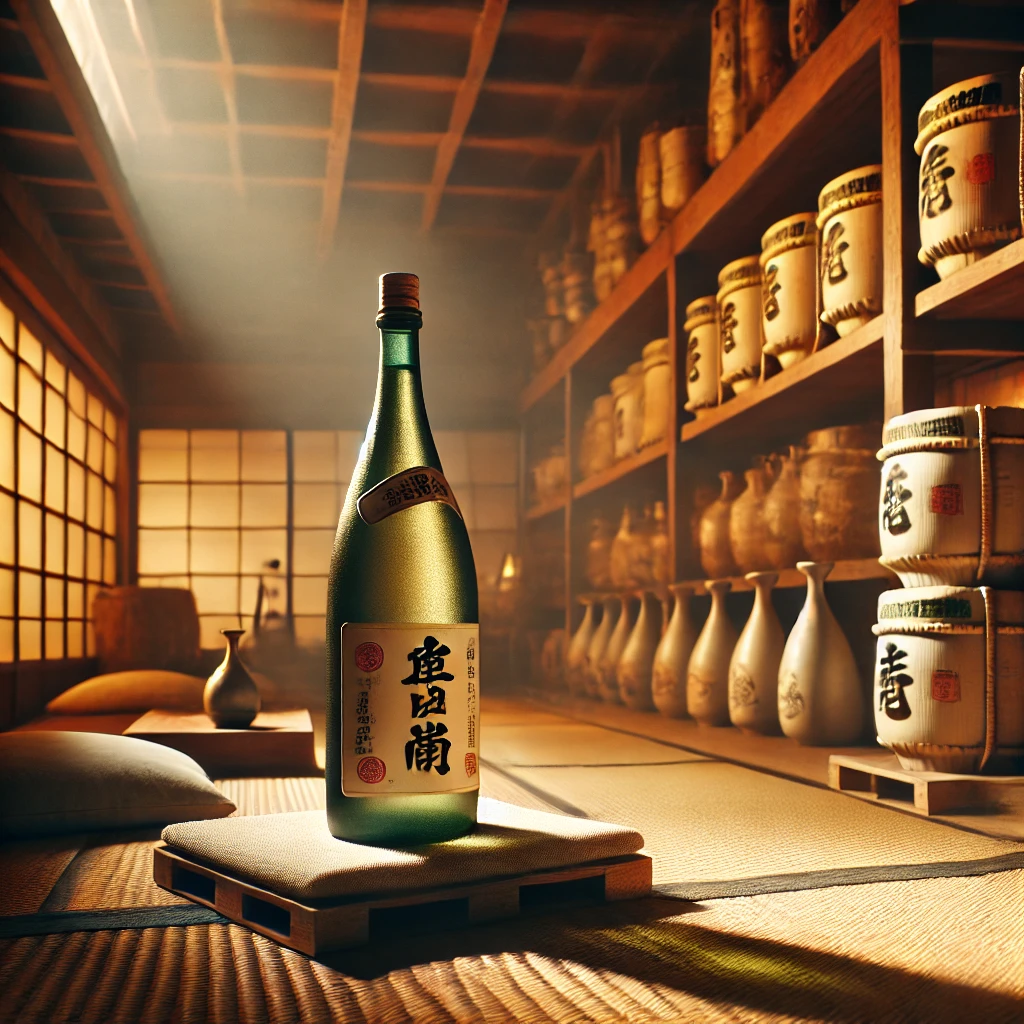
Hello, I’m Mana! This time, I’d like to share what I’ve learned about how to store sake properly. Sake is a very delicate drink, and depending on how you store it, the aroma and flavor can change noticeably. To enjoy your delicious bottle for as long as possible, let’s organize the basic storage rules together!
The Relationship Between UV Light and Sake
The first thing to remember is that sake is extremely sensitive to light. In particular, ultraviolet rays in sunlight are a major enemy of sake’s flavor. When exposed to UV light, sake can develop an unpleasant burnt-like odor known as 日光臭(nikko-shu), literally “sunlight smell.”
Key points to protect sake from UV light:
- Store in a dark place: Keep your bottle away from direct sunlight. The back of a cupboard or inside the refrigerator is ideal.
- Pay attention to bottle color: The color of the glass affects how much UV light passes through. Clear bottles are more vulnerable to UV exposure, while darker bottles or paper cartons generally offer better protection.
The Importance of Temperature Control
Next is temperature management. Many types of sake are not suitable for long-term storage at room temperature. When stored in warm conditions, sake can develop a distinctive aged aroma called 老香(hineka), which may diminish its delicate flavors.
- Ideal temperature: As a general guide, a cool and dark place below 10°C is safe. Especially for 生酒(namazake)—unpasteurized sake—refrigeration around 5°C is essential.
- Home freezers are generally not recommended: Household freezers often have temperature fluctuations, making it difficult to maintain stable quality.
- Room temperature storage is not always “completely forbidden”: Pasteurized sake (such as regular sake or some Junmai styles) can sometimes be stored unopened in a cool, dark place. However, delicate aromatic types like Ginjo are safer in the refrigerator.
- After opening, refrigerate: Regardless of type, once opened, oxidation begins. Refrigeration is the basic rule.
Many sake bottles do not list an expiration date, but aroma and flavor gradually change depending on storage conditions. Especially for namazake and aromatic Ginjo styles, it’s best to enjoy them while they are fresh. Even if you store them for a longer period, simply avoiding light and high temperatures can significantly slow down deterioration.
Can you age sake at home?
It’s not impossible to try aging sake at home like 古酒(koshu)—aged sake—but controlling temperature, light, and oxygen is difficult. Achieving stable quality like a brewery does is not easy. If you try aging at home, it may not turn out exactly as expected, so it’s safest to approach it as an experiment and simply “enjoy the change.”
How to Store Sake After Opening
After opening, sake begins to oxidize as it comes into contact with air, so storage requires extra care. The basic rule is store it in the refrigerator and try to finish it as soon as possible.
The ideal time frame depends on the type, but roughly speaking, within one to two weeks is safe. Aromatic Ginjo styles and namazake are better consumed sooner, while Junmai and regular sake may change more gradually. Even when refrigerated, changes continue slowly, so it’s best to drink it while it still tastes “delicious” to you.
A helpful tip: Reduce the amount of air (headspace) inside the bottle. For example, transferring the sake into a smaller bottle can reduce the surface area exposed to air and slow down changes.
Useful Storage Tools
To master proper storage, using convenient tools can also help. Here are a few items I found useful:
- Wine saver (vacuum pump type): A tool that removes air from inside the bottle. However, since sake’s aroma is important, strong vacuum pressure may slightly change its aromatic impression. It’s best to try it carefully and see if it suits your preferences.
- Light-blocking bottle cover: A cover designed to protect sake from UV light. Even inside a refrigerator, light exposure can occur when the door opens frequently, so this can provide extra reassurance.
- Refrigerator bottle rack: A rack that allows you to store bottles upright efficiently. It also helps prevent bottles from tipping over.
Summary of Storage Tips
To enjoy sake at its best, proper storage is essential. The key points are: avoid light, avoid high temperatures, and refrigerate after opening and drink relatively soon. Even just following these basics can greatly improve flavor stability.
Once you understand storage fundamentals, your relationship with sake becomes much more stable and confident.
And finally, something else worth knowing is food pairing.
Sake truly shines when enjoyed together with the right dishes.
▶ The Best Pairings for Sake and Food: What Goes Well Together?

コメント