Hello, this is Mana.
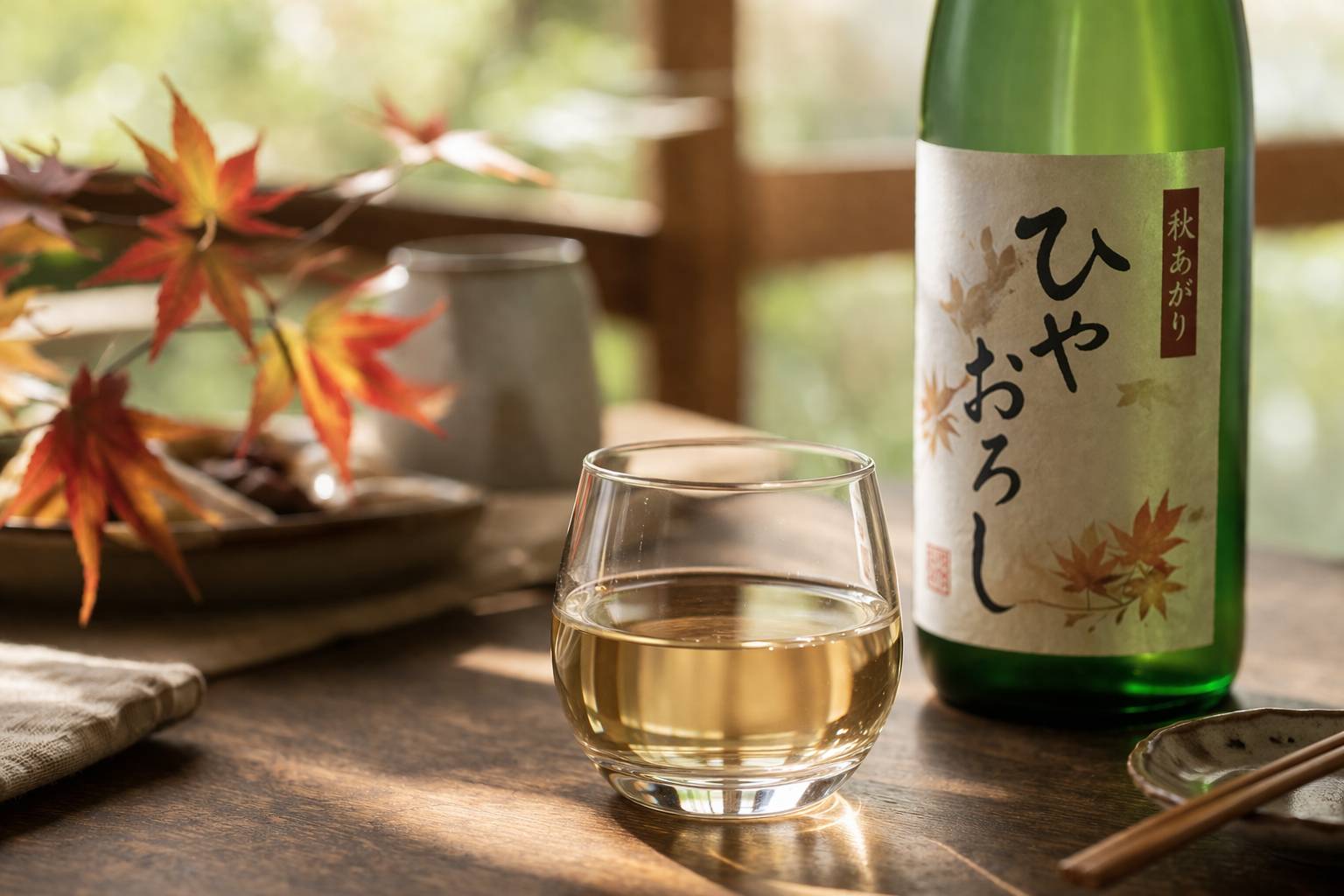
In autumn, you may sometimes see the term hiyaoroshi on sake store shelves. Compared with terms like shinshu or first pressing, hiyaoroshi may feel a little harder to understand just from the name alone.
At first, I thought it might simply mean sake to drink chilled. But when I looked into it, I found that hiyaoroshi is not just about temperature. It refers to sake that was pressed in spring, rested through the summer, and then released in autumn when the flavor has settled nicely.
In this article, I will organize what hiyaoroshi is, why it appears in autumn, and how it differs from shinshu, or newly brewed sake.
- What Is Hiyaoroshi?
- What Does the Name “Hiyaoroshi” Mean?
- Why Was “Shipping It at Room Temperature” Special?
- What Process Is Used to Make It?
- How Is It Different from Shinshu?
- Flavor Characteristics of Hiyaoroshi
- Why Does It Appear in Autumn?
- How Is It Different from Akiagari?
- How to Enjoy Hiyaoroshi
- Summary
What Is Hiyaoroshi?
Hiyaoroshi is sake that is pressed in spring, stored through the summer, and shipped in autumn.
Rather than being a sake meant to preserve the youthful character of freshly pressed new sake, it is closer to a sake that is released after a little time has passed, when the flavor has calmed down and the umami has developed.
That is why hiyaoroshi is enjoyed as an autumn sake. Its appeal lies in the roundness and calm character that appear after it has passed through the summer.
What Does the Name “Hiyaoroshi” Mean?
When people hear the word hiya, they may imagine chilled sake or refrigeration in the modern sense. But originally, hiya meant room temperature.
In the past, sake was broadly divided into kan, meaning warmed sake, and hiya, meaning sake served as it was. So in this case, hiya does not mean cold. It means sake that has not been warmed.
The oroshi in hiyaoroshi is used in the sense of shipping out or releasing goods. So hiyaoroshi carries the meaning of “sake shipped out at room temperature.”
Why Was “Shipping It at Room Temperature” Special?
This part can feel a little confusing, because from a modern point of view, it is easy to think, “Isn’t shipping something at room temperature normal?”
In fact, in the past, it was common for sake to go through another hiire (fire-ire), or heat pasteurization, before shipping in order to improve stability during storage. Hiire is a heat treatment process and an important step for stabilizing quality.
Hiyaoroshi refers to sake that is released without this second pasteurization before shipping. In other words, “shipping it as hiya” does not mean making it cold. It is closer to meaning that it is shipped as it is, without reheating it again.
Today, refrigerated distribution and temperature control are much more advanced, so many products are actually kept cold. Even so, the name hiyaoroshi still reflects older ideas about brewing and distribution.
What Process Is Used to Make It?
Hiyaoroshi is generally released through the following flow:
- Pressed in spring
- Pasteurized once
- Stored and matured through the summer
- Released in autumn without a second pasteurization
Unlike new sake that highlights a just-made youthful character, hiyaoroshi is defined by being rested a little so the flavor can settle before release.
How Is It Different from Shinshu?
Shinshu and hiyaoroshi are very different in character.
Shinshu is fresh sake made in that brewing year, and it appears from winter to early spring. Its appeal lies in its youthful freshness and lively character.
Hiyaoroshi, on the other hand, is sake pressed in spring, rested through the summer, and released in autumn. Compared with shinshu, its edges are softer, the aroma is calmer, and the umami feels more integrated.
Put simply, if shinshu is sake for enjoying the energy of something just made, then hiyaoroshi is sake for enjoying a flavor that has been shaped by time.
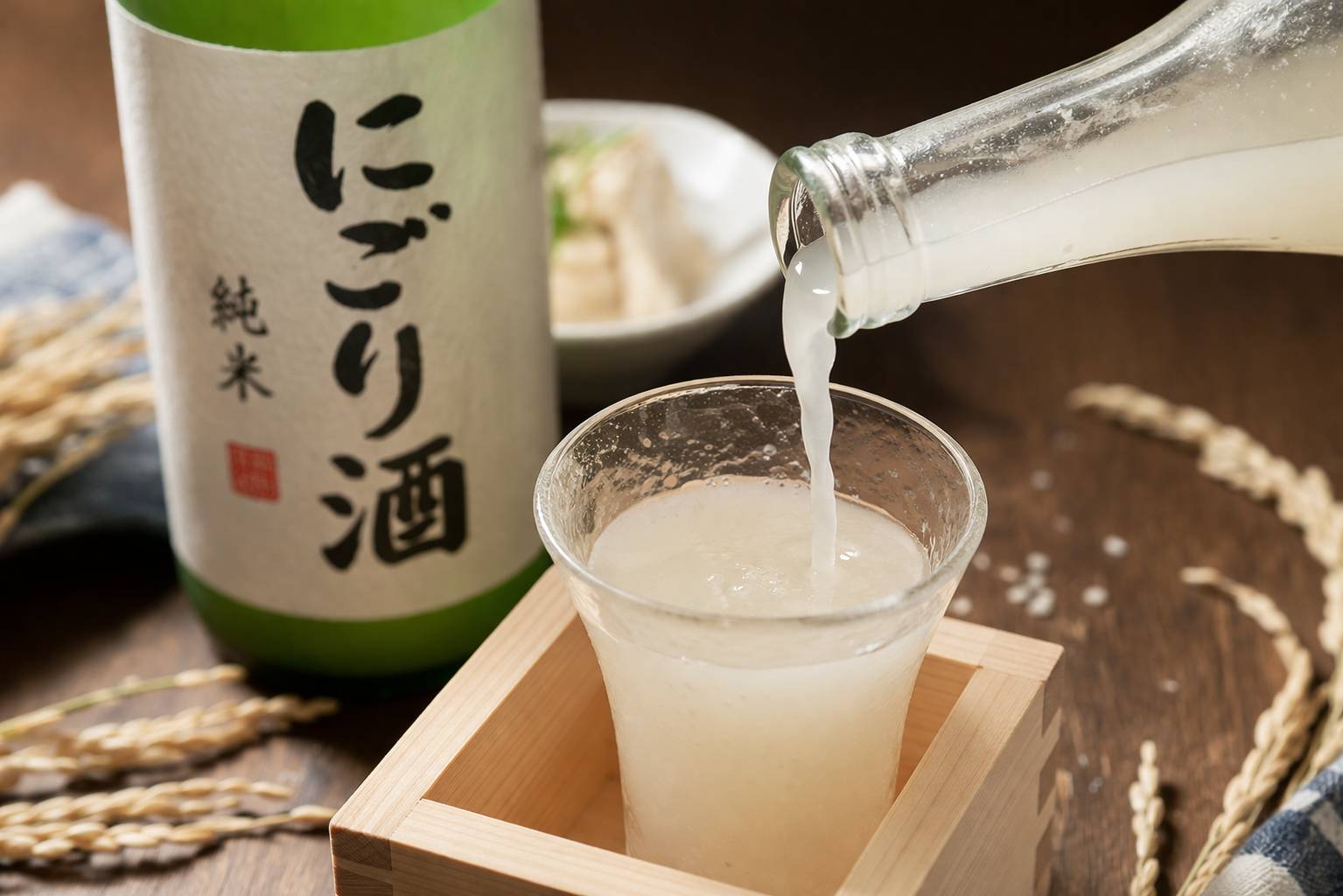
Looking at the seasonal flow, it stands in contrast to just-pressed styles such as hatsushibori, or first pressing, and nigori-zake, or cloudy sake.
Flavor Characteristics of Hiyaoroshi
Hiyaoroshi often has the following tendencies:
- A gentle aroma
- Roundness in the flavor
- Developed umami
- Good overall balance
Rather than having the vivid youthfulness of shinshu, it gives a calmer and easier-to-keep-drinking impression. It is not flashy, but the way its flavor gradually spreads is one of the things that makes hiyaoroshi feel special.
Why Does It Appear in Autumn?
Hiyaoroshi appears in autumn because its flavor becomes just right after passing through the summer.
Sake pressed in spring can still have a little youthful sharpness or firmness. By letting it rest through the summer, the flavor settles, and more roundness and umami begin to appear.
Autumn, when the heat starts to ease, is also a season when these calmer flavors are easier to enjoy. It pairs well with autumn dishes such as mushrooms and grilled fish, which is one reason it has become established as a seasonal sake.
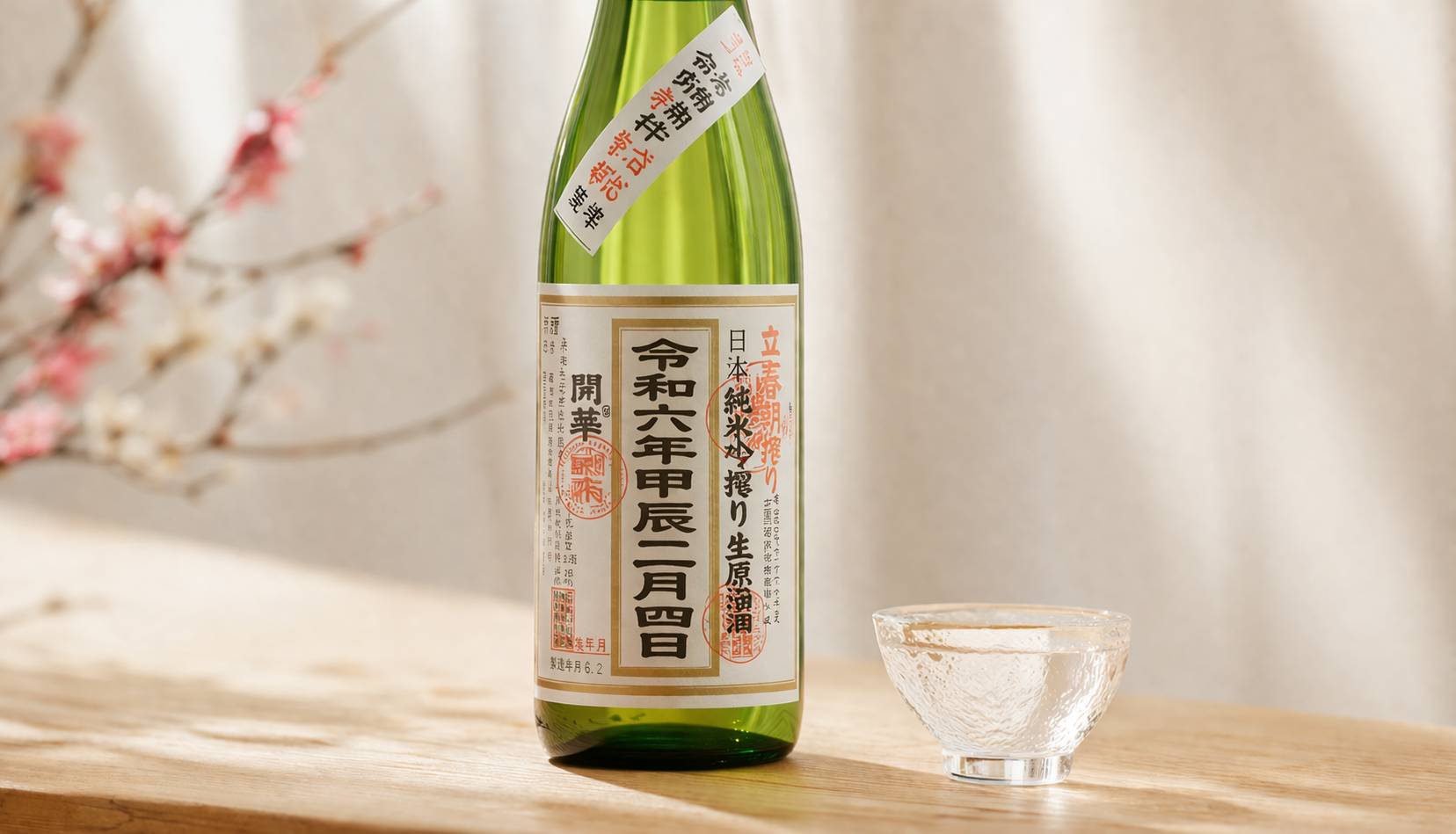
Seen through the flow of the seasons, winter brings shinshu, spring brings Risshun Asashibori, and autumn brings hiyaoroshi. That seasonal variety is part of what makes sake so interesting.
How Is It Different from Akiagari?
There is another term similar to hiyaoroshi: akiagari.
These two expressions are often used in very similar ways, but strictly speaking, they carry slightly different nuances.
Hiyaoroshi more strongly refers to sake released in autumn, while akiagari can describe the condition of sake itself after improving in flavor over the summer.
That said, in actual stores they are often used in very similar ways, so it is usually good enough to think of both as “autumn sake that has matured into a good drinking condition.”
How to Enjoy Hiyaoroshi
Hiyaoroshi is easiest to understand when it is not served too cold.
You can enjoy it chilled, but at room temperature or slightly warmer, its umami and roundness are easier to notice. If you try it as nurukan (nuru-kan), meaning gently warmed sake, its aroma and flavor can open up more fully.
It pairs well with savory autumn dishes such as grilled fish, mushroom dishes, and simmered foods. I think one of the good things about hiyaoroshi is that it can be enjoyed calmly as a meal-time sake.
Summary
Hiyaoroshi is sake that was pressed in spring, rested through the summer, and shipped in autumn. Unlike the youthful character of shinshu, it lets you enjoy the roundness and umami that appear after time has passed.
The word hiya may feel a little confusing today, but it originally meant room temperature, and the name comes from the idea of releasing the sake without reheating it again. If you are looking for a calm, autumn-like sake, hiyaoroshi is a very approachable place to start.
If you see it on store shelves in autumn, try enjoying it slowly with seasonal food. Along with that, reading about shinshu, hatsushibori, nigori-zake, and Risshun Asashibori will make the seasonal differences even easier to understand.
Hiyaoroshi arrives at a very specific point in autumn, and that timing is not arbitrary. Reading the brewing year through the 24 solar terms shows how it fits alongside shinshu, hatsushibori and the rest.