Hello, this is Mana.
In winter, you may sometimes notice cloudy white sake on store shelves. It is often labeled nigori sake, but you may not really know what makes it different from regular sake.
I had hardly ever tried nigori sake myself. Then one day at an izakaya, I was told, “Today is February 5, and it is Nigori Sake Day,” and that became my first chance to try it.
When I actually tasted it, I found it richer and sweeter than I had expected, with a light sparkling sensation as well. I still remember feeling that it was a much more interesting sake than its appearance alone had suggested.
In this article, I will go through what nigori sake is, why it looks cloudy white, and what kind of flavor it has.
What Is Nigori Sake?
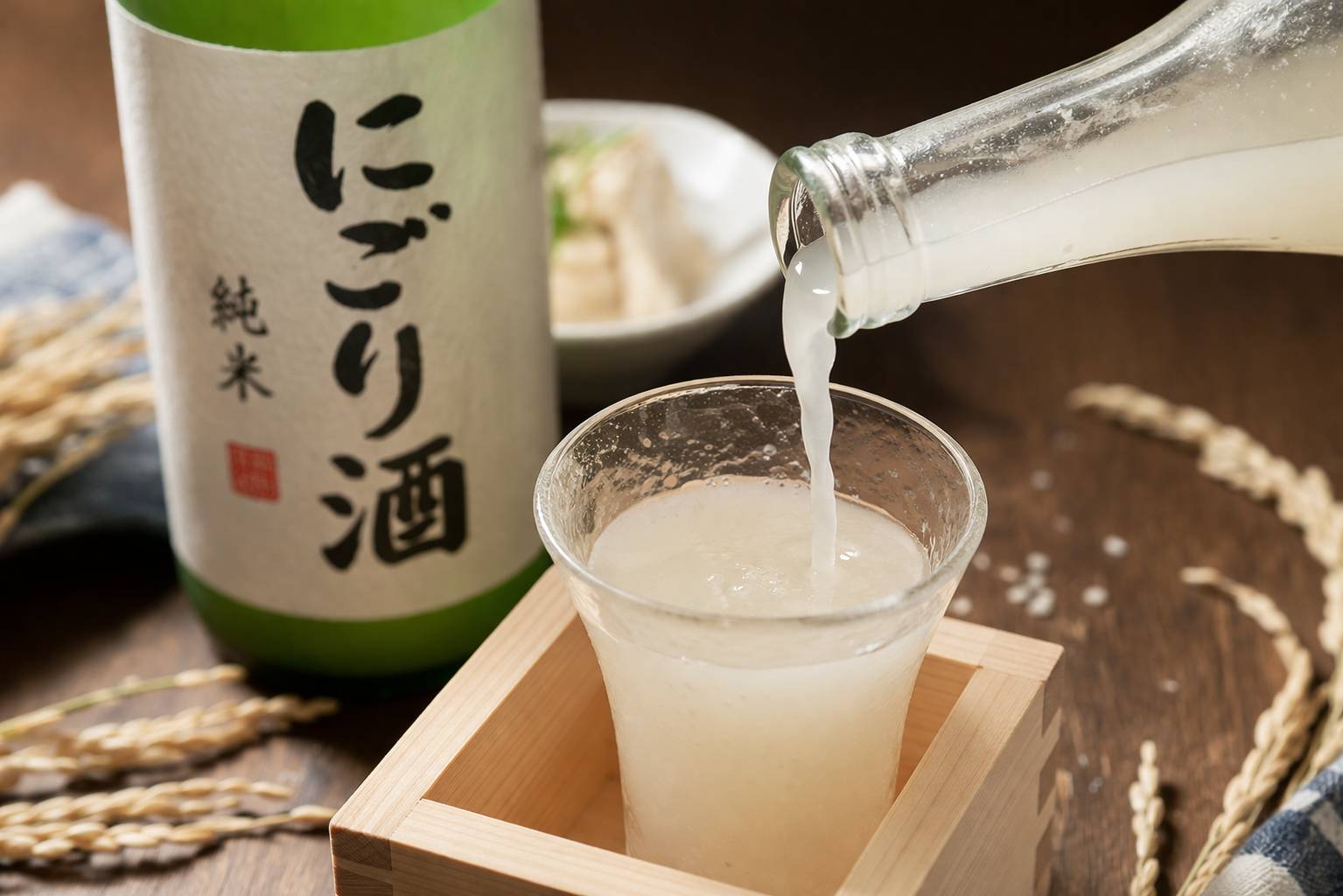
Nigori sake is sake finished with some fine components intentionally left in during pressing.
Its cloudy white appearance is its main feature, but it does not use any special ingredients. Like regular sake, it is made from rice, rice koji (麹), and water. Koji (麹) is rice cultivated with koji mold, which helps break starch down into sugar for fermentation.
The difference appears in the finishing process. Nigori sake gains its unique appearance and taste because the method is adjusted slightly at the final stage.
Why Does It Look Cloudy White?
Sake is made by pressing fermented mash called moromi (moromi) and separating it into liquid and sake lees. This pressing step is called joso (jousou), meaning the stage where the fermented mash is pressed.
Regular sake is filtered thoroughly at this point, which is why it ends up looking almost clear.
Nigori sake, on the other hand, is filtered more roughly on purpose, so some fine rice particles, yeast, and other components remain. That is what gives it its cloudy white appearance.
In many cases, the filtering afterward is also kept light, and these differences in process lead to the distinctive look and richness of nigori sake.
Rather than adding some completely special step, it is closer to adjusting “how much is removed” within the same basic brewing flow.
How Is It Different from Regular Sake?
The difference between nigori sake and regular sake lies in the final finishing method.
Clear sake is carefully filtered and refined after pressing, giving it a clean appearance and a neat taste. Nigori sake, in contrast, keeps some of its fine components on purpose, which often makes the texture and mouthfeel softer.
Because of that, even the same brewery can give a slightly different impression when it releases a nigori sake. A sake that is usually crisp and clean may show more of the rice character when made as nigori.
Flavor Characteristics of Nigori Sake
Nigori sake often has the following tendencies:
- It is easy to notice a soft sweetness
- The richness and umami of rice tend to come through
- The mouthfeel is often a little rounder
- Freshly pressed versions may have a light natural fizz
That said, not all nigori sake is sweet. Some types are cleaner and lighter, and some are easy to drink because of their refreshing sparkle.
Instead of judging only by its cloudy appearance, it is easier to understand the differences when you look at the balance of sweetness, richness, and lightness.
There Are Several Types of Nigori Sake
Even though we simply call it nigori sake, there is quite a range in how cloudy it is and how sparkling it feels.
Usunigori, or lightly cloudy sake, is usually smoother and easier to drink, while heavily cloudy types tend to feel richer and fuller.
There is also active nigori, called kassei nigori (kassei nigori), which retains fermentation-derived gas and can feel pleasantly fizzy. Because it can foam up when opened, it needs a little extra care.
Its Relationship with New Sake and First Pressing
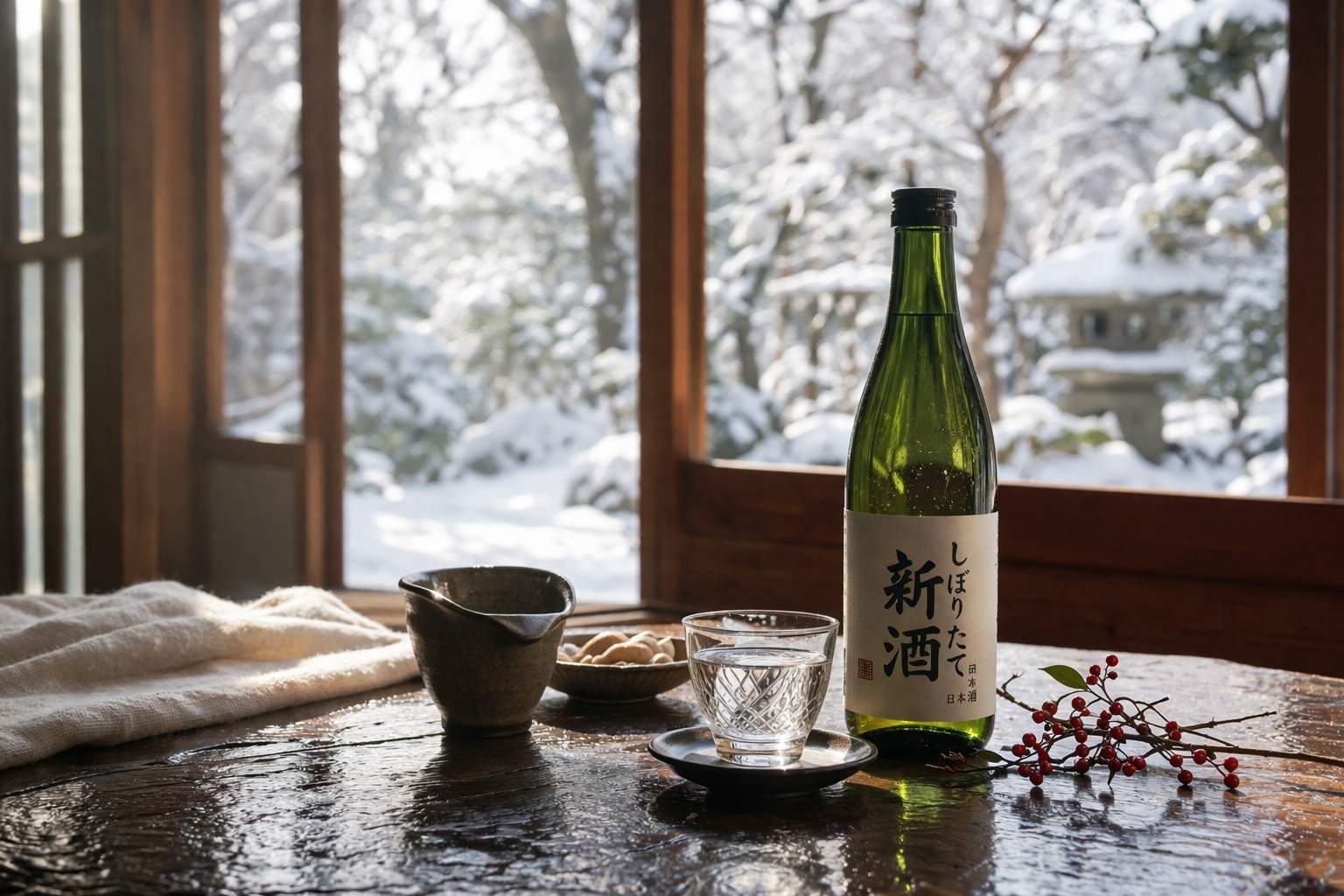
Nigori sake is often seen during the season for shinshu, or newly brewed sake.
Because it is finished with rougher filtering, it matches well with the fresh character of just-pressed sake, so it is common to see new nigori sake appearing on shelves in winter.
Nigori sake can also be released as hatsushibori, or first pressing. However, nigori sake refers to the finishing style, while hatsushibori refers to timing, so the two terms do not mean the same thing.
If you want to understand freshly pressed winter sake more broadly, it also helps to read the article on shinshu and the article on hatsushibori.
Why Is It So Common in Winter?
Nigori sake is common in winter because of the timing of sake brewing.
Newly brewed sake made during the cold season begins to appear from winter onward, and among those fresh releases, nigori sake is especially common because this style pairs well with a fresh, lively condition.
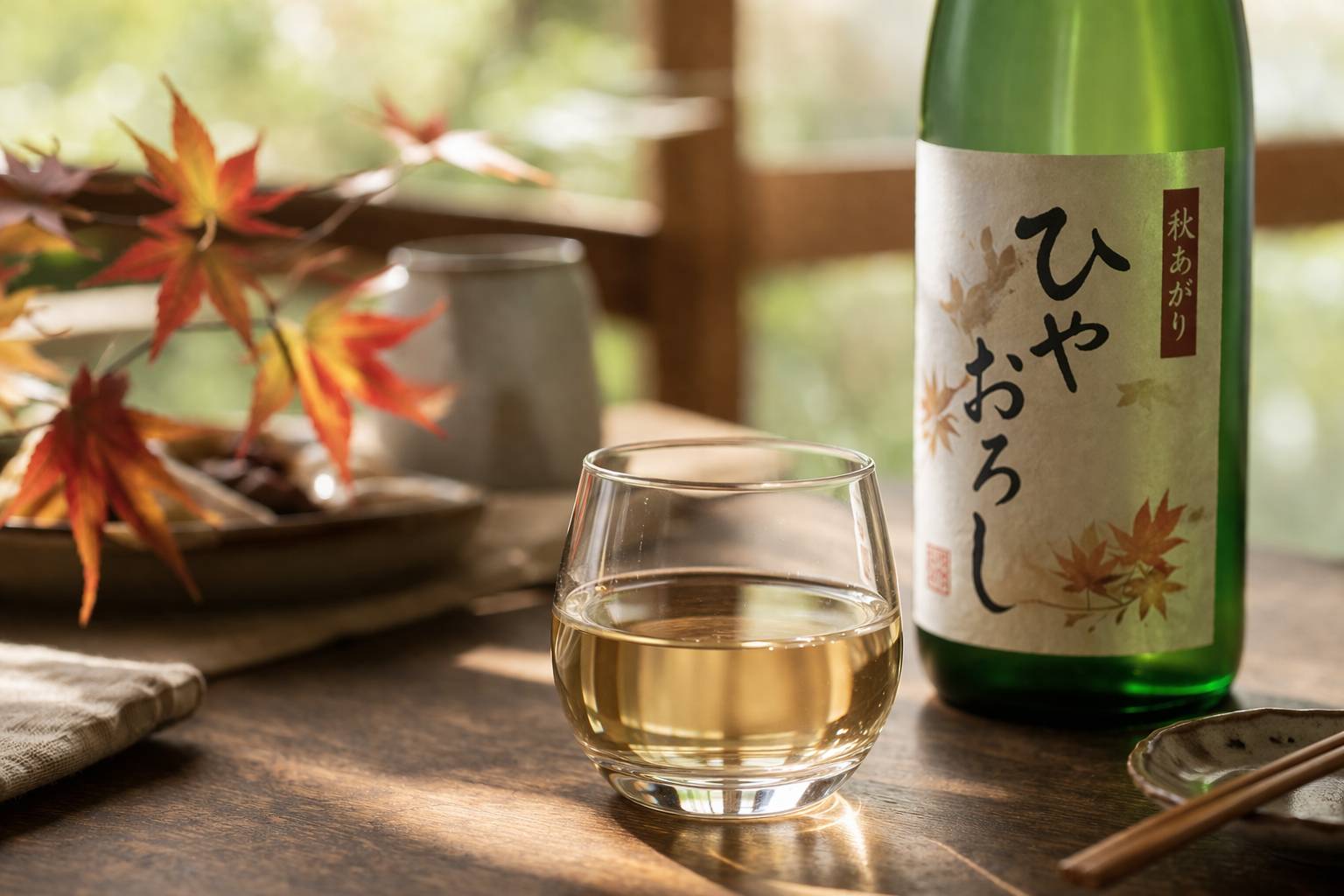
Its cloudy white appearance also makes it easy to remember as a “winter-like sake.” It is also interesting how sake changes with the seasons: in spring you see Risshun Asashibori, and in autumn you see hiyaoroshi.
How to Enjoy Nigori Sake
Nigori sake is easiest to understand when you drink it chilled first.
Because sweetness and richness tend to stand out, serving it cold makes the overall balance easier to notice. If it is a freshly pressed type, the light fizz is also easier to enjoy.
If you want to use nigori sake as a starting point for exploring winter sake, it is also helpful to compare it with shinshu and hatsushibori.
Summary
Nigori sake is sake made by roughly filtering moromi and leaving some fine components behind. Rather than being a completely special brewing method, it is a difference in finishing style that gives it its own appearance and flavor.
With its soft sweetness, rice richness, and the fresh character of newly pressed sake, nigori sake has more range than its appearance may suggest. If one catches your interest, trying it may change your impression of sake.
If you would like to read more, I also recommend shinshu, hatsushibori, Risshun Asashibori, and hiyaoroshi.