Hello, I’m Mana.
Have you ever noticed bottles labeled “shinsyu” (new sake) or “shiboritate” (freshly pressed) in sake shops or supermarket sake sections?
Even if people vaguely think, “It must be newly made sake,” I feel that many do not really know how it differs from regular sake. At first, I also only had a vague image of it as sake that had just been made.
But when I looked into it, I found that shinsyu is one of the easiest ways to feel the seasonality of sake. It has the youthfulness that only freshly made sake can have, and sometimes a bit of roughness too. There is a kind of energy that belongs only to that moment.
In this article, I will explain what shinsyu is, when it appears, and what kind of flavor it has.
What Is Shinsyu?
Shinsyu means sake that is brewed in that brewing year and released in its earliest season.
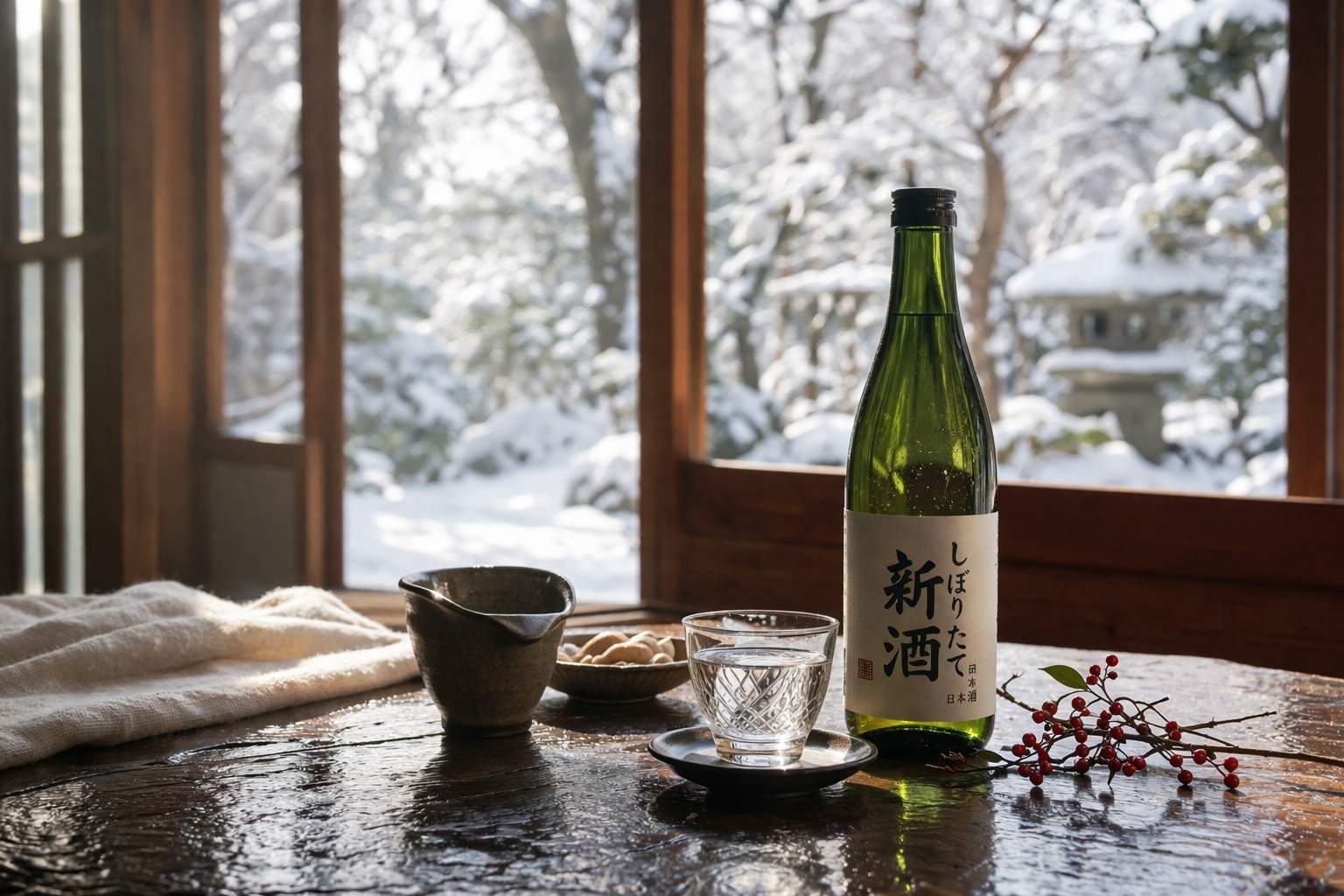
Sake is often brewed in winter using rice harvested in autumn, and sake that has just been pressed appears in stores from winter to early spring. In other words, it is easiest to think of shinsyu as freshly made sake.
Unlike sake that is aged for a long time before release, shinsyu tends to show a youthful and lively character. Rather than a calm and settled flavor, it may be easier to understand it as sake that lets you enjoy the feeling of “just made” first of all.
When Does Shinsyu Appear?
Shinsyu is most commonly seen from around November to February.
Of course, the timing varies depending on the brewery and the label, but from the colder season through the winter, you are more likely to see phrases such as “new sake arrival” and “freshly pressed.”
Sake brewing has traditionally centered on the colder months because fermentation is easier to control when temperatures are low. That is why shinsyu has naturally become something like a winter tradition.
In spring, you will see the term Risshun Asashibori, and in autumn, Hiyaoroshi. Among these seasonal styles, shinsyu is the one that most strongly feels like winter.
Why Shinsyu Feels So Fresh
Shinsyu is described as fresh because not much time has passed since it was pressed.
When sake is newly made, its flavor and aroma are still young and have not fully settled. Because of that, its liveliness and brightness tend to stand out more clearly.
Also, many examples of shinsyu are sold as namazake (unpasteurized sake) or muroka namazake (unfiltered unpasteurized sake). Because they are not pasteurized or are bottled with minimal processing, they tend to keep an impression that feels very close to just-made sake.
The slight lively fizz you may feel when drinking it, or the way the aroma rises easily, are also part of what makes sake from this season feel distinctive.
Flavor Characteristics of Shinsyu
Shinsyu often shows the following tendencies:
- Fresh and light
- Relatively expressive aroma
- Youthful, sometimes with a slight rough edge
That said, not all shinsyu tastes the same. Some feel sweeter, while others are clean and sharp.
Even so, what they have in common is that, compared with aged sake, the youthfulness of being freshly made tends to come forward more easily. Once you begin to notice this kind of difference, the world of sake becomes even more enjoyable.
The Difference Between “Hatsushibori” and Shinsyu
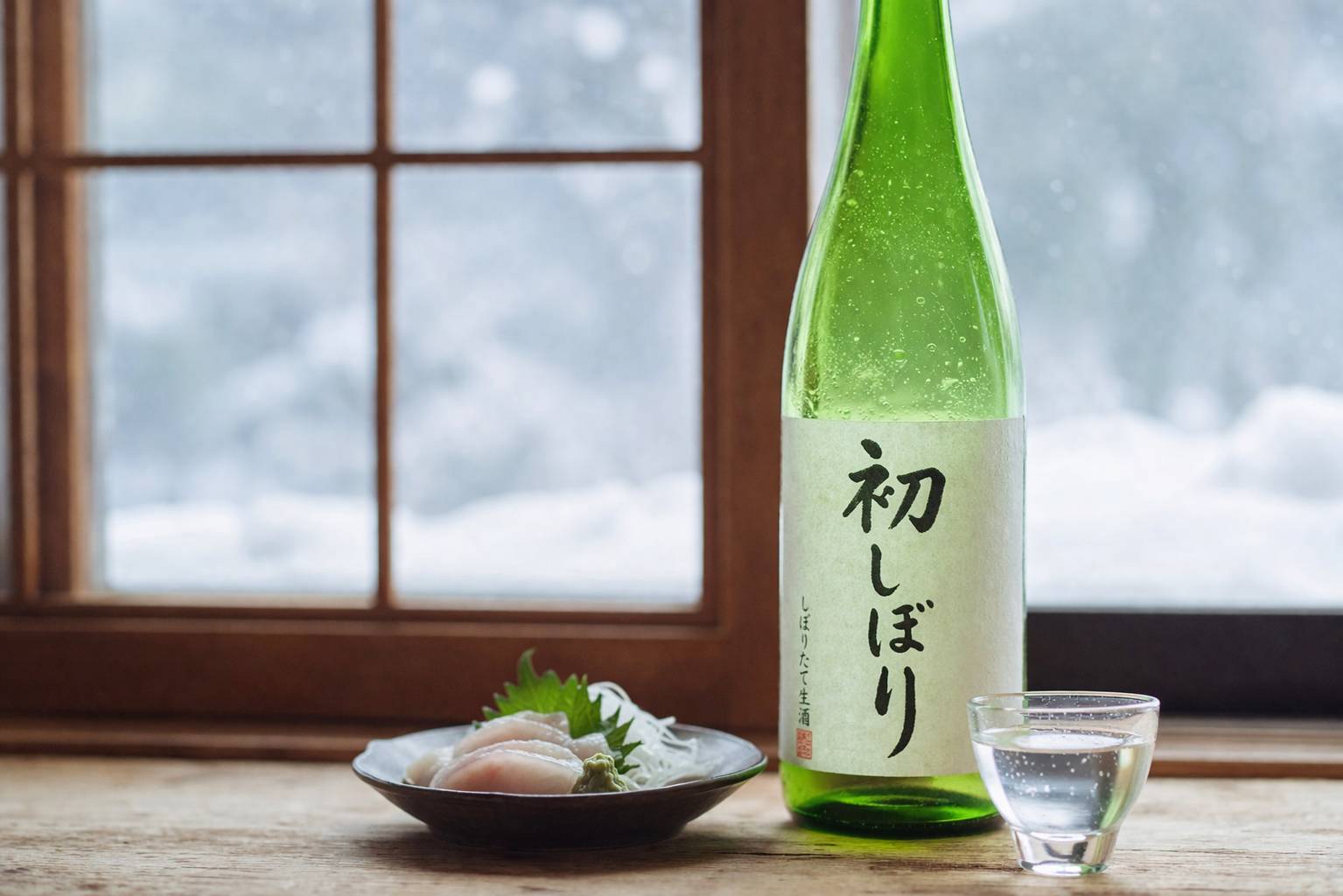
A term similar to shinsyu is “hatsushibori.”
The two are quite close, but they are not exactly the same.
Shinsyu is a broad term for sake that has just been made in that year. By contrast, hatsushibori is often used to emphasize that it is the first pressing of the season at a brewery. In the article about hatsushibori, I explain this difference in a little more detail.
The Difference from “Risshun Asashibori”
Risshun Asashibori can also be thought of as one kind of shinsyu.
However, Risshun Asashibori is not simply new sake. It is sake that is pressed on the morning of Risshun, the first day of spring in the traditional calendar, and shipped out on that same day. It also carries a strong meaning as an auspicious sake linked to a seasonal event.
If shinsyu is the broad category of “freshly made sake,” then Risshun Asashibori can be seen as a slightly special example within that category, enjoyed not only for freshness but also for its date and ceremonial character.
Its Relationship with Nigorizake
During the shinsyu season, you also tend to see more nigorizake.
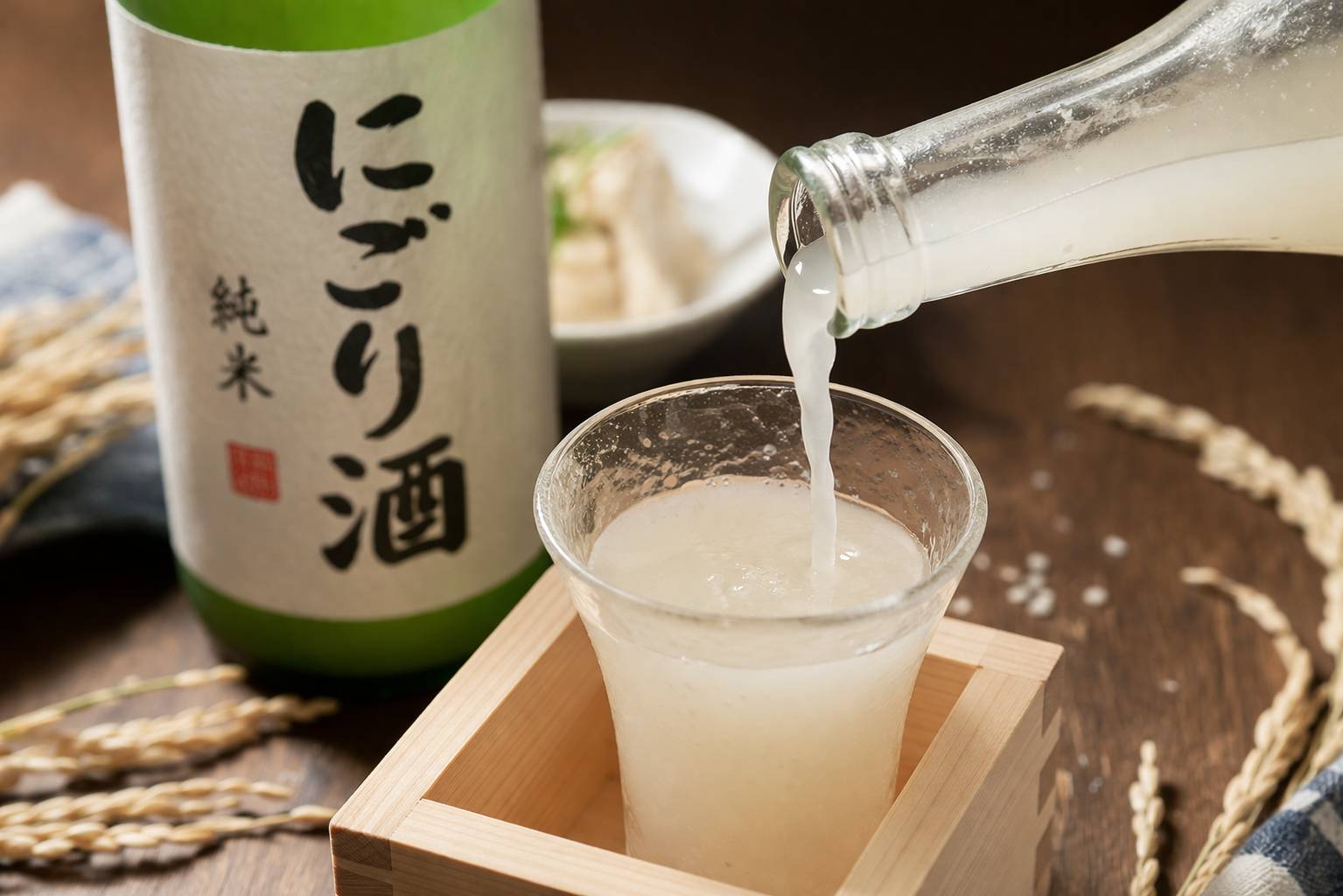
Nigorizake is a cloudy style of sake in which fine particles remain after the moromi (fermenting mash) is strained, giving it a white, cloudy appearance. Because it is finished by only roughly straining the moromi, it can often be shipped relatively soon after pressing. For that reason, many nigorizake appear as shinsyu during the winter brewing season.
Of course, nigorizake is not always the same thing as shinsyu. Still, in winter stores, it is often sold as “new nigorizake,” so I think it is especially interesting for people who want to enjoy a seasonal feeling. I explain nigorizake in more detail in the article about nigorizake.
How to Enjoy Shinsyu
I recommend enjoying shinsyu chilled. Its freshness and aroma are easier to notice that way, so trying the first glass as chilled sake makes it easier to understand its character.
For food pairings, lighter dishes such as sashimi, white fish, or chilled tofu go especially well with it. I personally love pairing shinsyu with sea bream sashimi or kawahagi dressed with liver.
It is also a good idea to enjoy shinsyu as early as possible. Of course, that depends on storage conditions, but it is best to drink it while thinking of it as a flavor that can only be enjoyed right now.
If you want to enter the world of winter-fresh sake, it is also interesting to compare hatsushibori and nigorizake. On the other hand, if you become interested in a more settled seasonal sake, autumn hiyaoroshi offers a very different impression.
Summary
Shinsyu is sake that has just been made in that brewing year. It often appears from winter to early spring, and lets you enjoy freshness, youthfulness, and bright aroma.
The charm of shinsyu is that you can taste the freshness of newly made sake almost as it is. Since it is also one of winter’s special pleasures, if you see it in a shop, try choosing a bottle as a way to enjoy the season itself.
If you would like to read further, I also recommend hatsushibori, Risshun Asashibori, nigorizake, and hiyaoroshi.
Shinshu is one moment in a much longer yearly cycle. Laid out against Japan’s 24 solar terms, it becomes clear why each seasonal sake appears exactly when it does.