mana

Sponsored
Ingredients

Is Shinpaku a Defect? — Understanding the Rational Structure of Sake Rice Through Its Starch Composition

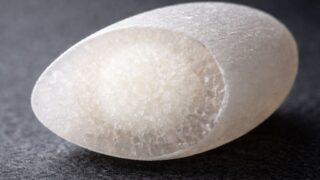
Is shinpaku really a defect? This article explores why the starchy core of sake rice is often described as fragile, and explains its structural nature in detail. From starch density differences to the relationship with cracked grain rates, this advanced guide is designed for serious sake learners.
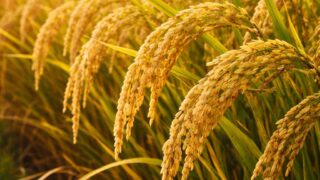
Ingredients

What Are the Differences Between Yamadanishiki, Gohyakumangoku, and Miyamanishiki? — A Structural and Flavor Comparison of Japan’s Three Major Sake Rice Varieties

What are the differences between Yamada Nishiki, Gohyakumangoku, and Miyama Nishiki? This advanced guide compares the three major sake rice varieties from the perspectives of grain structure, shinpaku (opaque core), solubility, and flavor tendencies. Understand how each rice type shapes the character of sake.
Brewing Mechanisms

What Is Hi-ire? — A Clear Guide to Pasteurization and the Differences Between Namazake, Nama-chozō-shu, and Nama-zume-shu

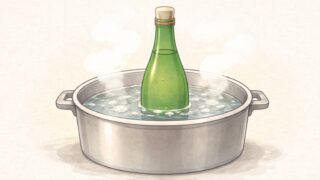
What is hi-ire in sake brewing? Hi-ire is the process of heating sake to around 60–65°C to stop yeast and enzyme activity and stabilize quality. This article clearly explains the purpose of pasteurization and the differences between namazake, nama-chozō-shu, nama-zume-shu, and standard sake.
Brewing Mechanisms

What Is Dan-Jikomi? — An Easy Guide to Sandan-Jikomi and the Meaning of “Odori”

What is dan-jikomi in sake brewing? This article clearly explains the purpose of sandan-jikomi (three-stage addition) and the role of “odori,” from the perspectives of yeast growth and parallel multiple fermentation. A solid foundation for deeper understanding and exam preparation.
Ingredients

What Is Sake Rice? — The Science Behind Shinpaku and Its Suitability for Sake Brewing

What is sake rice? Is shinpaku really a hole? This article scientifically explains the difference between sake-brewing rice and table rice, the structure of shinpaku, and why it is ideal for sake production. Includes an advanced discussion of its relationship with the polishing ratio.
Ingredients

Why Was the Yeast Starter Created—and Why Has It Been Simplified? The Evolution of Sake Brewing Through Starter-Omitted Methods

Is the yeast starter truly necessary? This article explores the differences between Kimoto, Yamahai, and Sokujo, and traces the evolution of sake brewing up to starter-omitted methods. Understand the philosophy of sake production through the history of microbial control technology.
Ingredients

What Is the Difference Between Kimoto, Yamahai, and Sokujo? Understanding the Basics of the Yeast Starter Through Lactic Acid Production

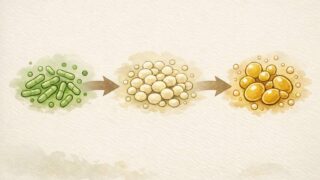
What is the difference between Kimoto, Yamahai, and Sokujo? This guide explains the yeast starter (shubo) from the perspective of how lactic acid is produced—comparing natural lactic acid cultivation and direct lactic acid addition. A clear and structured explanation of fermentation design, also useful for sake certification study.
Brewing Mechanisms

What Is Parallel Multiple Fermentation? A Clear and Friendly Guide to the Sake Brewing Process

What is “parallel multiple fermentation,” the core of sake brewing? Learn how saccharification by koji and fermentation by yeast occur simultaneously, explained clearly within the full brewing process. Understand the structure behind the yeast starter, multi-stage additions, and pasteurization.
Discover Sake

What Is Sparkling Sake? Types, Best Bottles, and Food Pairings Explained

Discover sparkling sake, a modern and refreshing style of Japanese sake. Learn the different types, recommended bottles, food pairings, serving tips, and how it compares to champagne.
Discover Sake

Enjoying Sake More Deliciously! Choosing the Right Temperature and Sake Vessel

Did you know that the flavor of sake changes with temperature and the type of vessel? Detailed explanations of the characteristics of cold sake and warm sake temperatures, and differences in vessels like ochoko, guinomi, and wine glasses. Enjoy sake more at home!
Sponsored