Types & Labels

Sponsored
Types & Labels

Understanding the Differences Between Genshu, Namazake, and Namachozo — Mastering the Basics of Sake Through Pasteurization and Dilution

Understand the differences between Genshu, Namazake, and Namachozo. By categorizing them through two key factors—the number of pasteurizations and whether water is added—you can easily decode sake labels. This guide covers everything from flavor profiles to proper storage tips.

Types & Labels

Does the Rice Polishing Ratio Really Not Matter for Junmai Sake? — Understanding This “Flexible Category” Through Regulations and Flavor Design

Junmai sake is often said to have no rice polishing ratio requirement—but does that mean polishing doesn’t matter? This article clarifies the regulatory framework and the practical realities of flavor design, offering a clear explanation of the relationship between Junmai and rice polishing.
Types & Labels

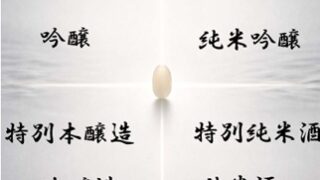
Understanding the Eight Categories of Tokutei Meishoshu Through Two Key Axes

This guide organizes the eight official categories of Tokutei Meishoshu using two essential axes: alcohol addition and rice polishing ratio. Instead of memorization, you’ll understand the structural differences between Junmai, Ginjo, Daiginjo, and Honjozo.
Types & Labels

Reading Sake Labels: Understanding the Back Label

Detailed explanation of the "Sake Meter Value," "Acidity," and "Amino Acid Levels" written on the back label of sake! Learn how to differentiate between dry and sweet sake, and tips for choosing your favorite sake.
Types & Labels

How to Read a Sake Label: Understanding the Front Label

What information is written on a sake label? Learn about key details such as “Tokutei Meisho-shu” (Special Designation Sake), “Production Date,” and “Alcohol Content” on the front label. Gain the knowledge you need to choose the right sake for you!
Sponsored