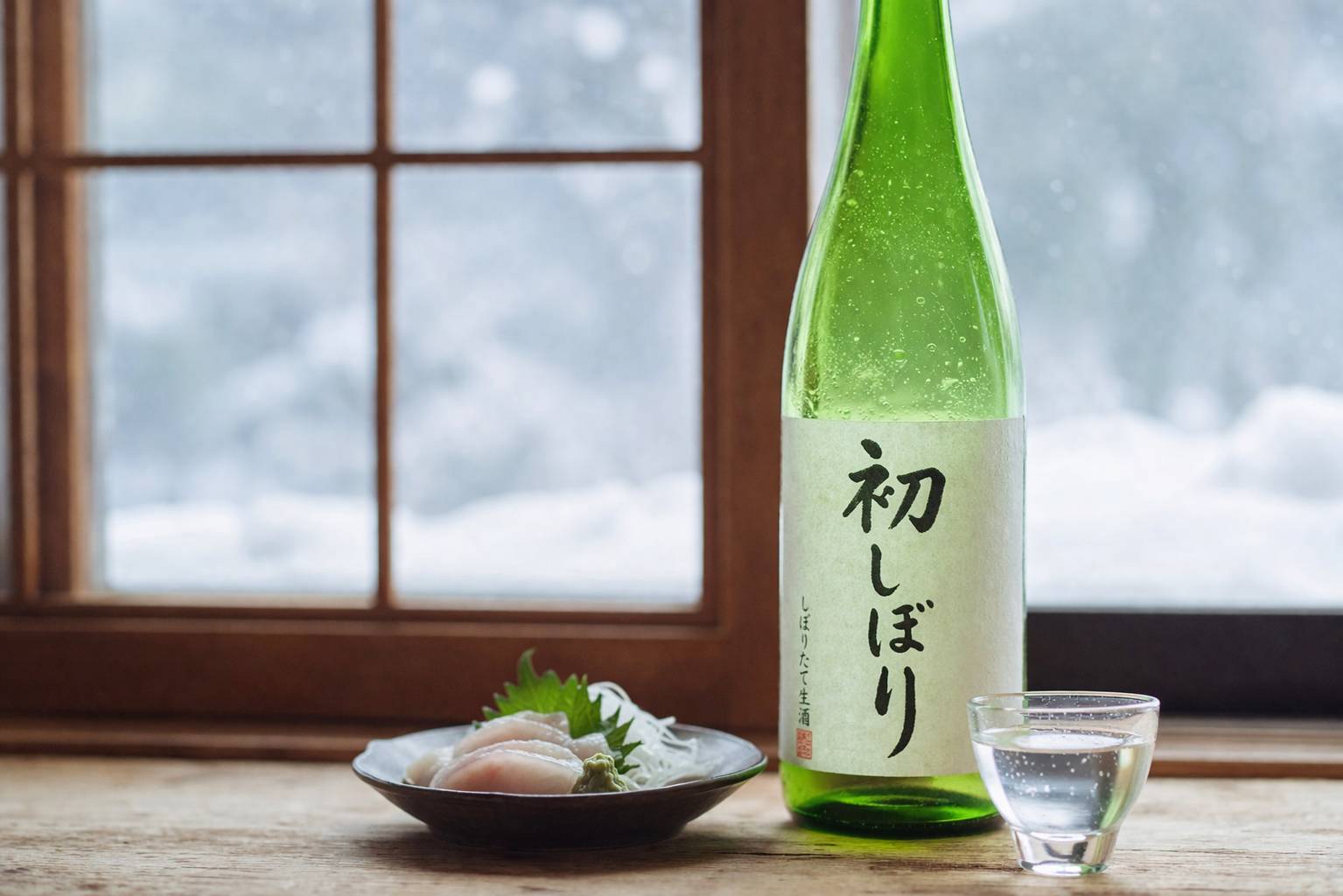
Japanese sake is full of seasonal words: “shiboritate” (freshly pressed), “kanjikomi” (cold-season brewing), “hiyaoroshi” (autumn sake), “risshun asashibori” (spring-dawn pressing). These aren’t just marketing terms — each one is tied to a centuries-old calendar.
That calendar is built on the 24 solar terms, known in Japanese as nijushisekki.
What Are the 24 Solar Terms?
The 24 solar terms (nijushisekki) divide the sun’s yearly path into 24 equal segments, each given its own name. The system originated in China as a tool for managing the agricultural calendar, and once it reached Japan, it served as the country’s official calendar until the Edo period.
Some of these terms, like “shunbun” (spring equinox), “geshi” (summer solstice), and “toji” (winter solstice), are still part of everyday Japanese vocabulary. In the world of sake, several more of these terms live on as markers for brewing schedules and seasonal releases.
Each solar term shifts roughly every 15 days. That 15-day rhythm happens to line up naturally with sake brewing, where temperature, water conditions, and koji activity all demand close, season-by-season attention.
The Solar Terms That Matter Most for Sake
Not all 24 solar terms are relevant to sake. Here are the four worth knowing, whether you’re studying the terminology or just want to time your next bottle right.
| Solar Term | Reading | Approximate Date | Connection to Sake |
|---|---|---|---|
| Toji (winter solstice) | toh-jee | Around Dec 21–22 | Brewing season shifts into full gear. The shortest day of the year |
| Daikan (greater cold) | dai-kahn | Around Jan 20 | The coldest stretch of the year — peak season for kanjikomi (cold-weather brewing) |
| Risshun (start of spring) | rees-shoon | Around Feb 3–4 | Risshun Asashibori is pressed and shipped the same day |
| Shubun (autumn equinox) | shoo-boon | Around Sep 22–23 | Rough guide for hiyaoroshi shipments, when akiagari sake reaches its peak |
Sake’s Year, Told Through the Solar Terms
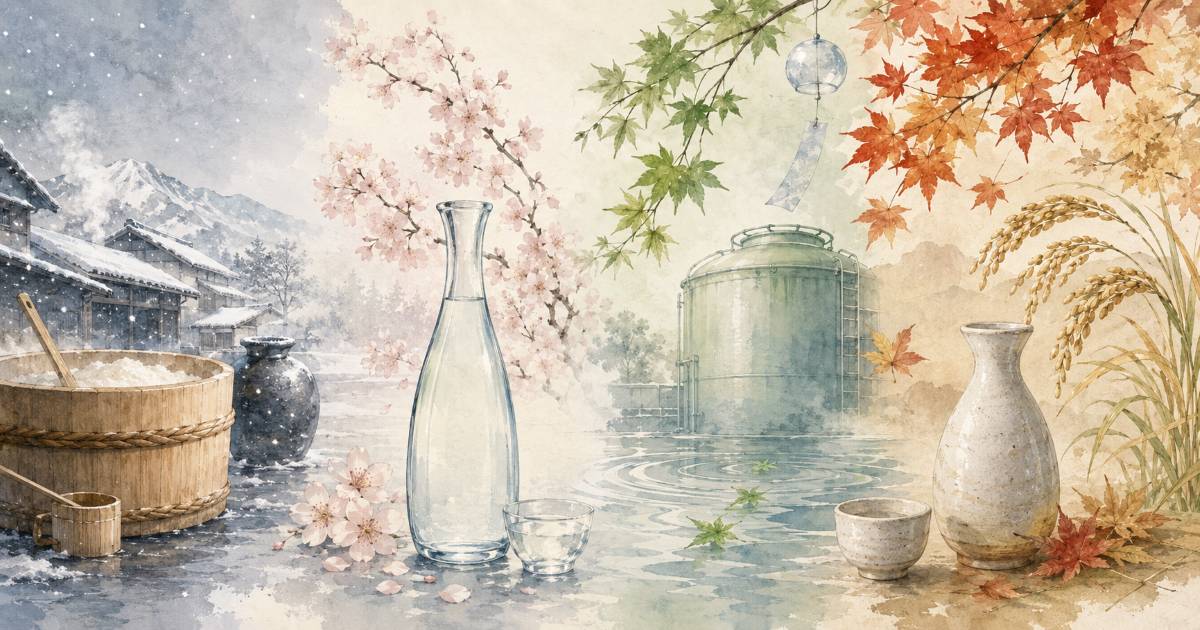
Using the solar terms as a framework makes it much easier to see how sake actually moves through the year.
Winter (Dec–Feb) — Brewing Season
Once toji has passed, breweries across Japan shift into full production. The coldest stretch, around daikan, creates ideal conditions — cold enough to slow unwanted bacteria — for what’s called kanjikomi, or cold-season brewing. Slow fermentation at low temperatures produces a cleaner, more focused flavor with fewer off-notes.
Around risshun (Feb 3–4), one especially notable sake of the year appears: Risshun Asashibori. Sake pressed on the morning of risshun is blessed in a ritual and shipped that same day — a lucky, ceremonial sake prized for both its freshness and its symbolism.
Spring (Mar–Apr) — New Sake Season
Sake brewed over the winter is pressed and released in spring as shinshu (new sake), known for its fresh, lively aroma and bright, youthful acidity.
From spring onward, most breweries pasteurize their sake and move it into storage tanks to age slowly through the summer. That “pressed in spring, rested through summer” design is what sets up the sake that will take center stage the following autumn.
Autumn (Sep–Nov) — Aged Sake Season
Sake that has rested through the summer reaches a state called “akiagari” by autumn — its rough edges softened, its umami deepened into something rounder and more mature.
That’s when hiyaoroshi ships, right around shubun (the autumn equinox). It’s pasteurized only once, in spring, then stored and released once autumn temperatures drop — no second pasteurization needed before it reaches you. The name itself, roughly “shipped while still cool,” describes exactly that process.
Back to Winter (Dec onward) — The Cycle Begins Again
Once autumn’s sake has made its way to shelves, breweries start preparing for the next brewing cycle. Otoso is poured to mark the New Year, and by the time toji arrives, the sake-making calendar has come full circle.
Seen this way, sake’s yearly rhythm maps almost perfectly onto the 24 solar terms. Once you understand how to enjoy sake through the four seasons, choosing the right bottle for the right moment starts to come naturally.
Quick Reference: Don’t Mix These Up
These three terms get confused often enough that it’s worth keeping them straight.
- Risshun Asashibori: pressed on the morning of risshun (around Feb 3–4), blessed, and shipped that same day — a lucky sake
- Hiyaoroshi: shipped around the autumn equinox (late September), after resting from spring through summer
- Kanjikomi: the brewing itself, done during the coldest stretch of winter (Dec–Feb), peaking around daikan
Anchor it this way: Risshun Asashibori is a spring release, hiyaoroshi is an autumn release, and kanjikomi is a winter brewing process — not a finished product you’d find on a shelf.
In Summary
The 24 solar terms are a map for reading sake’s seasonal vocabulary.
- Toji and daikan — peak kanjikomi (cold-weather brewing) season
- Risshun — the day Risshun Asashibori ships
- Spring through summer — new sake ages in storage
- Shubun (autumn equinox) — hiyaoroshi and akiagari season
Memorizing the names and dates in isolation can feel like a lot. It’s easier to start with the bigger picture — brewed in winter, pressed in spring, rested through summer, and at its best by autumn — and let each solar term click into place from there.
Next, we’ll turn to how sake is actually brewed. Now that you know what makes it delicious, it’s time to see how it’s made — and once you can picture the inside of the brewery, what’s in your glass starts to look different too.